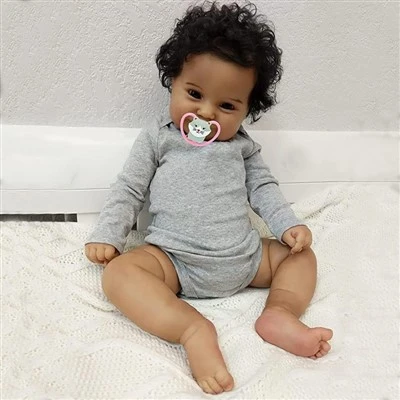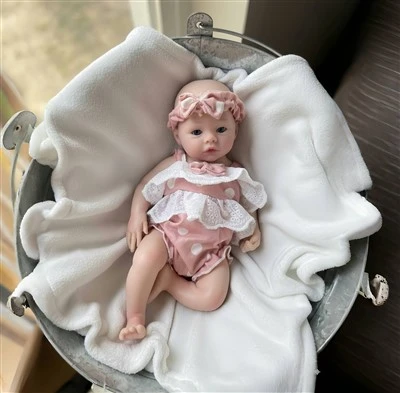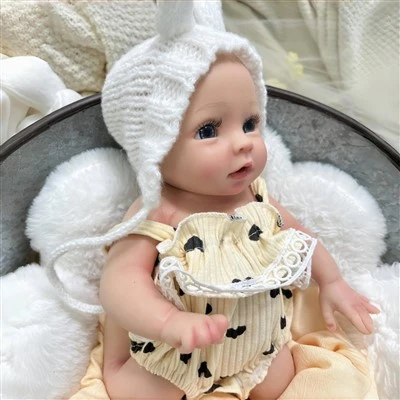

As a supplier of full body silicone products, one of the most common concerns we encounter from our customers is how to make these products waterproof. Whether it's a Silicone Baby Lifelike Reborn Doll, an Adorable Full Silicone Reborn Doll, or a Newborn Doll Realistic, ensuring their waterproof properties is crucial for durability and longevity. In this blog, I'll share some effective methods and insights based on our experience in the industry.
Understanding the Basics of Silicone and Water Resistance
Silicone is a popular material for full body products due to its flexibility, softness, and resemblance to human skin. However, not all silicone is inherently waterproof. Porous silicone or silicone with seams and joints can allow water to penetrate, leading to internal damage such as mold growth, delamination, and degradation of internal components.
The first step in making full body silicone products waterproof is to understand the type of silicone used. High - quality, industrial - grade silicone is more likely to have better water - resistant properties compared to low - grade ones. It's also important to note that the manufacturing process plays a significant role. Products that are molded in one piece are generally more water - tight than those with multiple parts joined together.
pre - manufacturing Considerations
Material Selection
Choose a silicone material with high cross - linking density. Cross - linking refers to the chemical bonds that hold the silicone polymer chains together. A higher cross - linking density results in a more compact structure, which is less likely to allow water molecules to pass through. When sourcing silicone, look for materials that are specifically designed for applications requiring water resistance, such as those rated for outdoor use or marine applications.
Design Optimization
During the design phase, minimize the number of seams and joints. Seams are often the weakest points in terms of water resistance. If seams are unavoidable, design them in a way that water will naturally run off rather than being trapped. For example, use rounded edges and angled surfaces at the seams. Additionally, consider incorporating internal channels or chambers that can divert any water that might penetrate to a safe area or a drain point.
Manufacturing - Level Waterproofing Techniques
Sealing Joints and Seams
One of the most effective ways to make full body silicone products waterproof is to seal joints and seams properly. For products with multiple parts, apply a high - quality silicone sealant. The sealant should be compatible with the base silicone material to ensure a strong bond. Use a small brush or a caulking gun to apply the sealant evenly along the seams, making sure to fill any gaps or crevices completely. After applying the sealant, allow it to dry thoroughly according to the manufacturer's instructions.
Coating the Surface
Applying a waterproof coating to the entire surface of the silicone product can enhance its water - resistant properties. There are various types of silicone coatings available on the market, such as hydrophobic coatings. These coatings work by creating a thin, water - repellent layer on the surface of the silicone. The application process usually involves spraying or dipping the product in the coating solution. Make sure to follow the application guidelines carefully to achieve an even and effective coating.


Encapsulation
For products with internal components that need to be protected from water, encapsulation can be a viable option. Encapsulation involves enclosing the sensitive parts in a waterproof enclosure made of silicone or another waterproof material. This can add an extra layer of protection and prevent water from reaching the internal mechanisms.
Post - manufacturing Testing and Maintenance
Water Testing
Once the product is manufactured, it's essential to conduct water testing to ensure its waterproof performance. There are different levels of water testing, ranging from simple splash tests to more rigorous immersion tests. For splash tests, gently spray water on the surface of the product and observe if any water penetrates. For immersion tests, submerge the product in water for a specified period and then check for any signs of water inside.
Maintenance and Re - sealing
Over time, the waterproofing properties of silicone products may degrade due to normal wear and tear. It's important to provide maintenance guidelines to customers. Advise them to regularly inspect the product for any signs of damage to the sealant or coating. If any issues are detected, recommend re - applying the sealant or coating as needed. This will help extend the product's lifespan and maintain its waterproof status.
Real - world Applications and Case Studies
In the market for lifelike reborn dolls, waterproofing is especially important. For example, our Silicone Baby Lifelike Reborn Doll is often handled by children, who may accidentally expose the doll to water. By implementing the waterproofing techniques mentioned above, we've significantly reduced the rate of water - related damage reported by our customers.
Another case is our Adorable Full Silicone Reborn Doll, which sometimes participates in photo shoots or events outdoors where it may be exposed to various weather conditions. The proper waterproofing ensures that the doll remains in excellent condition even after being exposed to light rain or splashes.
Conclusion
Making full body silicone products waterproof is a multi - step process that involves careful material selection, design optimization, proper manufacturing techniques, and thorough testing. By following these guidelines, we can provide high - quality, waterproof silicone products to our customers.
If you're interested in purchasing our full body silicone products or have any questions about our waterproofing techniques, we'd love to have a discussion with you. Feel free to reach out to us for procurement and further negotiation. We look forward to collaborating with you to meet your specific needs.
References
- Johnson, A. (2020). Silicone Materials: Properties and Applications. Industrial Publishing.
- Smith, B. (2019). Waterproofing Techniques for Soft Materials. Materials Science Journal.